
The Needful Guide to Vietnam: Where to Stay, Area by Area (2026)
Vietnam rewards moving around. A great trip here is rarely one place — it's a string of two to four very different areas, north to south, city to coast to mountains. This is our area-by-area map of where to stay, when to go, how to get there, and the deep-dive guides that follow.
No country in Southeast Asia packs in as much variety as Vietnam, and few are as easy to underestimate on a map. It is over 1,600km top to toe, with three climates running at once, so the art of a good Vietnam itinerary is choosing the right two or three bases and linking them well — not trying to see everything. This hub sets out the areas worth building a trip around, how to move between them, and the level of hotel you can expect in each. Each linked guide that follows ranks our top three or four places to stay in that area, in our usual tiered format, with preferred-partner perks added.
How this series works
Rather than one impossible "best hotels in Vietnam" list, we've split the country the way you'd actually travel it — by area, and by the kind of stay each one is for. Every part ranks the top three to four hotels for that area, grouped by tier (Elevated Luxury → Premium), with an honest verdict on each and a note on the loyalty programme it's booked through.
The shape of the country
It helps to picture Vietnam in three regions, each with its own character and reasons to stay:
The North — Hanoi (the cultural capital and a brilliant food city), the limestone seascape of Halong and Lan Ha bays, the rice-terrace mountains of Sapa, and the river-and-karst landscapes of Ninh Binh.
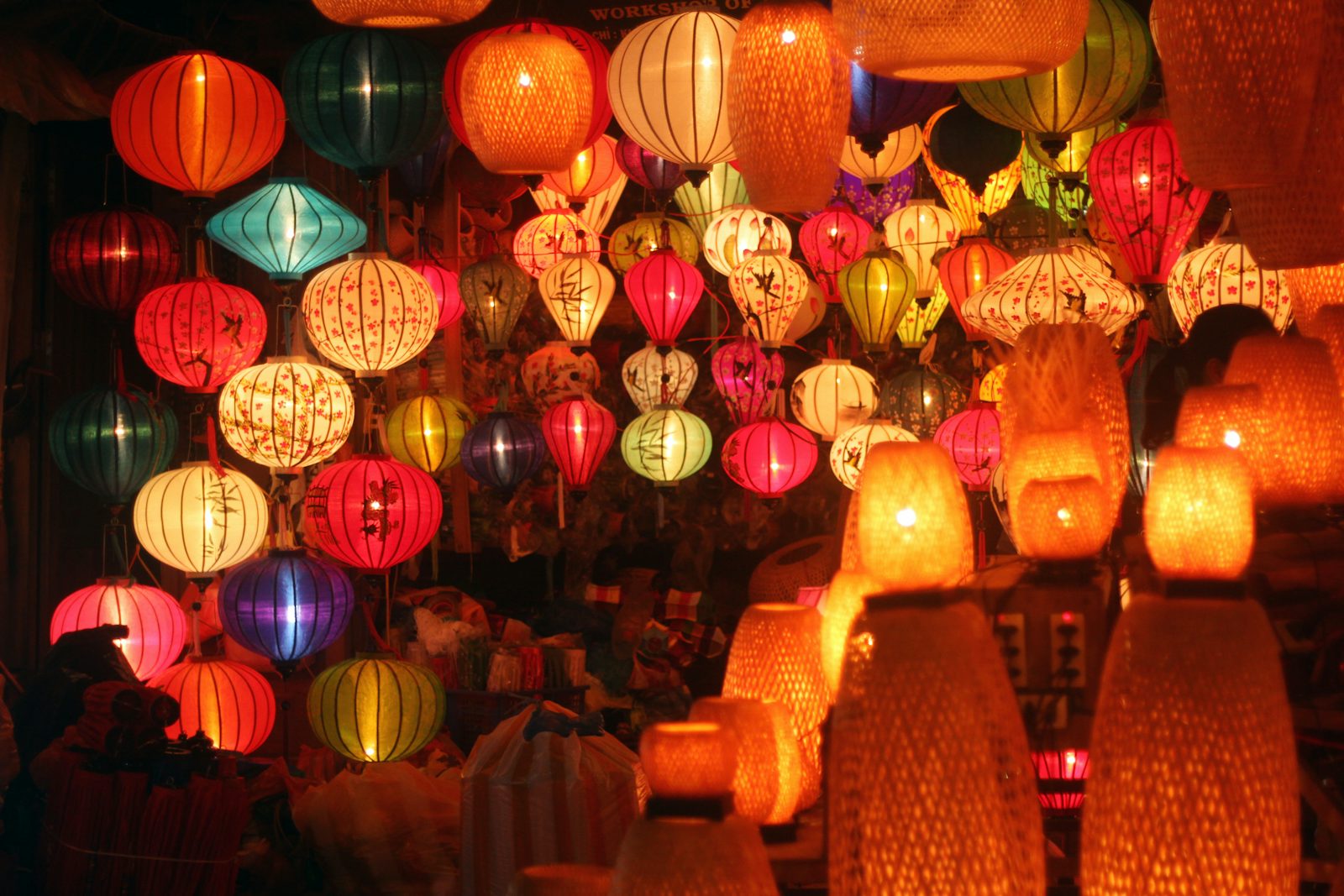
The Centre — the lantern-lit old town of Hoi An, the beaches and resorts of Da Nang and Quy Nhon, and the imperial city of Hue. The country's best concentration of beach resorts, plus its most charming heritage towns.
The South — fast, modern Ho Chi Minh City (Saigon), the waterways of the Mekong Delta, the islands of Phu Quoc and Con Dao, the resort coast of Nha Trang and Cam Ranh, and the cool highland retreat of Da Lat.
When to go, by area
Vietnam's regions are on different weather clocks — when the centre is flooding, the south can be dry. The grid below rates each area by weather alone, month by month: green = ideal (dry, comfortable), amber = shoulder or mixed, red = avoid (heavy rain, flood or heat). Halong Bay broadly follows Hanoi and the north.
| Area | Jan | Feb | Mar | Apr | May | Jun | Jul | Aug | Sep | Oct | Nov | Dec |
|---|---|---|---|---|---|---|---|---|---|---|---|---|
| Hanoi & the north | o|Cool, damp | o|Cool, drizzle | g|Mild | g|Warm, nice | o|Hot, humid | r|Hot, wet | r|Hot, wet | r|Wet | o|Easing | g|Dry, pleasant | g|Cool, dry | g|Cool, dry |
| Sapa (mountains) | o|Cold, misty | o|Cold | g|Clear, mild | g|Green, mild | o|Warm, showers | r|Wet | r|Wettest | r|Wet | g|Harvest, clear | g|Clear, ideal | g|Crisp | o|Cold, misty |
| Hue, Da Nang & Hoi An | o|Cooler, showers | g|Drier | g|Pleasant | g|Warm, dry | g|Hot, dry | o|Hot | o|Hot | o|Warm | r|Wet onset | r|Floods | r|Heavy rain | o|Easing |
| Quy Nhon & Nha Trang | g|Dry, pleasant | g|Dry | g|Dry, warm | g|Hot, dry | g|Hot, dry | g|Dry | g|Dry | g|Dry | o|Showers | r|Wet | r|Wettest | o|Easing |
| Da Lat (highlands) | g|Mild, dry | g|Dry | g|Spring | o|Showers start | o|Wet | r|Wet | r|Wet | r|Wet | r|Wet | o|Easing | g|Dry, cool | g|Dry, cool |
| Ho Chi Minh & the south | g|Dry, warm | g|Dry | g|Hot, dry | o|Very hot | o|Wet onset | o|Wet | o|Wet | o|Wet | r|Wettest | r|Wet | o|Easing | g|Dry |
| Phu Quoc (island) | g|Dry, sunny | g|Dry | g|Dry, hot | o|Hot | o|Wet onset | o|Wet | r|Wet | r|Wettest | r|Wet | o|Easing | g|Drying | g|Dry, sunny |
For the wider picture — and how Vietnam compares with the rest of the region — see our master guide to the best months to visit Asia.
Getting there & getting around
Vietnam has three main international gateways, and which you fly into shapes your route:
| Gateway | Code | Opens up |
|---|---|---|
| Hanoi (Noi Bai) | HAN | The north — Hanoi, Halong/Lan Ha, Sapa, Ninh Binh |
| Da Nang | DAD | The centre — Hoi An, Da Nang beaches, Hue |
| Ho Chi Minh City (Tan Son Nhat) | SGN | The south — Saigon, Mekong, Phu Quoc, Con Dao, Nha Trang |
Most long-haul travellers route through a hub such as Singapore, Bangkok, Hong Kong or Doha. A classic itinerary flies open-jaw — into Hanoi and out of Ho Chi Minh City (or vice versa) — so you travel the country in one direction without backtracking.
Domestic flights are how most people cover the big distances — Vietnam Airlines (full-service) and Bamboo Airways connect all major cities in roughly 1–2 hours, and fares are low. Hanoi–Da Nang and Da Nang–Ho Chi Minh City are both about 1h20; Quy Nhon (Phu Cat) and Nha Trang (Cam Ranh) are short hops from either hub.
Private transfers handle the scenic legs: Da Nang airport to Hoi An is about 45 minutes; Hanoi to Halong Bay is around 2–2.5 hours by road (or a seaplane for the view); Cam Ranh airport to the Nha Trang resort coast is 30–45 minutes.
The train — the Reunification Express — is a slow, romantic way to travel; the Da Nang–Hue stretch over the Hai Van Pass is one of the world's great rail rides. We'd use it for a single scenic leg, not the whole length.
Islands — Phu Quoc and Con Dao are reached by short domestic flights; Halong and Lan Ha bays are explored on overnight cruises rather than from a fixed hotel. We handle all of this coordination as part of planning your trip.
The series — where to stay, area by area
We're publishing this Vietnam guide in four parts, each going deep on the best places to stay in that area with our honest verdicts and perks added:
Part 1 · The Major Cities — Ho Chi Minh City (Saigon) and Hanoi: the grand dames, the design hotels, and the best-value bases for exploring each city on foot.
Part 2 · The Smaller Cities & Towns — Hoi An's heritage old town, imperial Hue, the highland town of Da Lat, and the northern escapes of Sapa and Ninh Binh.
Part 3a · The Central Coast — the Da Nang–Hoi An resort strip, up-and-coming Quy Nhon, and the Nha Trang & Cam Ranh coast (Amanoi, Six Senses Ninh Van Bay and more).
Part 3b · The Islands & South — the islands of Phu Quoc and Con Dao, plus overnight luxury cruises on Halong and Lan Ha bays.
Planning a Vietnam trip?
Tell us roughly when you want to go and what you're drawn to — city energy, beach time, mountains, or all three — and we'll shape the route, choose the right hotels, and handle the flights and transfers between them. Plan your trip · How our benefits work