
The Needful Guide to Malaysia: Where to Go, Region by Region (2026)
Where to go in Malaysia depends less on preference than on geography: this is really two countries joined by the South China Sea, and a third stitched onto the map of Borneo. Peninsular Malaysia alone runs two coasts on two opposite weather clocks, so the region you pick and the month you go are the same decision.
This hub sets out how the country divides — Kuala Lumpur, Langkawi, Penang, the Desaru coast near Singapore, a scattering of hill-and-jungle hideaways, and Malaysian Borneo across the water — how the seasons actually work region by region, and a handful of ways to combine them. Six deeper guides follow, each ranking our tiered hotel picks for that area with preferred-partner perks added.
The regions, at a glance
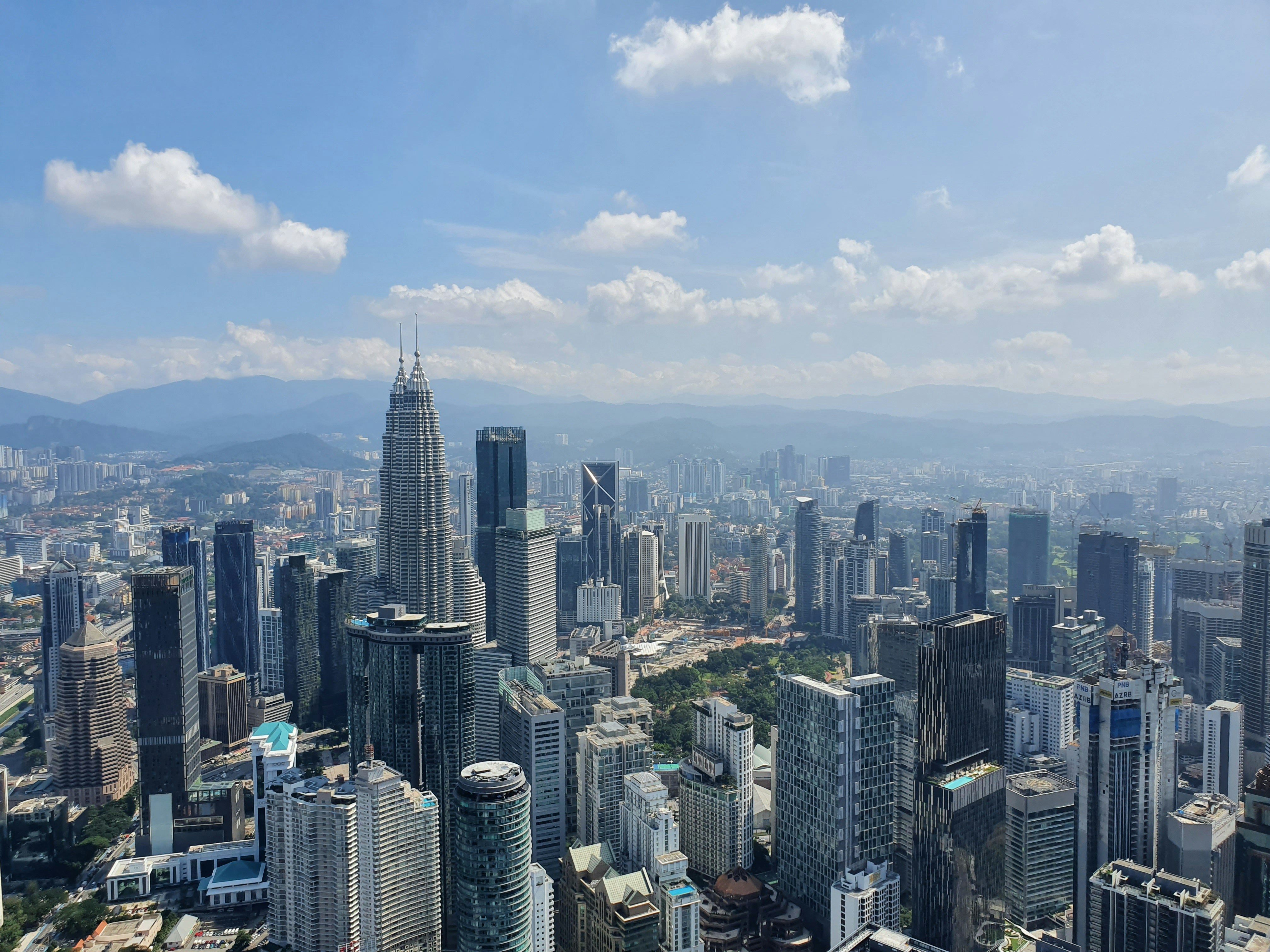
Kuala Lumpur — the capital and, for most trips, the opening or closing chapter: a dense, fast-modernising city built around the Petronas Towers, with the country's best concentration of international five-stars, its most serious dining scene, and same-day connections to everywhere else in this guide.
Langkawi — an archipelago off the northwest coast, and Malaysia's answer to a classic tropical resort island: duty-free, jungle-clad, ringed by calm water, and home to the country's deepest bench of serious resort hotels — and its one Elevated Luxury address. The default beach add-on for a KL trip.
Penang & George Town — a UNESCO-listed trading port turned heritage city, with a beach strip a short drive north at Batu Ferringhi. The pull here is culture and food as much as the hotel — George Town's shophouse streets are one of the best-preserved colonial-era townscapes in Southeast Asia.
The Desaru Coast — a purpose-built resort coast on the southeastern tip of the peninsula, effectively Singapore's weekend beach. Younger and less developed than Langkawi, it's currently mid-transformation: the property that opened as One&Only Desaru Coast rebranded as Mandarin Oriental, Desaru Coast in early 2026, and the coast is filling in around it.
The hideaway belt — a string of inland and small-island retreats that don't fit a single region: the rainforest island of Pangkor Laut, the hot-spring valley of the Banjaran near Ipoh, the cool hill station of Cameron Highlands, and the beach hideaway of Tanjong Jara on the east coast. These are destinations in their own right, usually paired with a city or beach stay rather than visited alone.
Malaysian Borneo (Sabah & Sarawak) — a different country in most ways that matter: rainforest, orangutans, dive sites and mountain scenery rather than beach resorts and colonial townscapes, on its own flight connection and its own weather pattern entirely.
The map
The two-monsoon story: when to go, region by region
Malaysia is often sold as a year-round destination, and in a narrow sense it is — somewhere in the country is always having a good month. But the peninsula runs two coasts on opposite monsoon clocks, and Borneo keeps its own calendar entirely, so "when to visit Malaysia" only makes sense asked region by region.
The west coast — Kuala Lumpur, Langkawi, Penang, the hideaway belt — takes its weather mainly from the Southwest Monsoon (roughly May to September, generally drier and more settled here than it sounds) and a wetter spell around the intermonsoon months and into the Northeast Monsoon's edge. In practice, the west coast is the most forgiving part of the country: December through February is the classic dry, low-humidity window, but the shoulder months either side are workable, and Langkawi in particular rarely sees the kind of sustained washout that closes the east coast down.
The east coast — Tanjong Jara, the Perhentian and Redang island belt, the Desaru Coast further south — answers to the Northeast Monsoon, which runs roughly November through March and is a different order of weather event: heavy, sustained rain and rough seas that close island resorts and stop boat transfers, not just a few wet afternoons. Plan an east-coast stay for April through October, and treat November to February as effectively off the table.
Borneo keeps its own rhythm, driest broadly from March/April through September and wettest — though rarely a hard stop the way the peninsula's east coast is — from October through February, with Sabah's west coast (Kota Kinabalu) and Sarawak's interior each skewing slightly differently within that window. Wildlife lodges and dive operators run year-round, but the driest months give the best hiking, diving visibility and jungle trekking.
The practical result: a single Malaysia trip that tries to cover a west-coast city, an east-coast beach and Borneo in one go will always be fighting one region's weather. Most good itineraries pick a coast, not both.
Three ways to combine the regions
The classic — 7 to 9 days. Kuala Lumpur (2–3 nights) into Langkawi (4–5 nights). The easiest first-timer's loop: a direct domestic flight, no backtracking, and the widest choice of resort tiers of any pairing in the country. Add a night in the Cameron Highlands or at the Banjaran on the drive between KL and the north if time allows.
The heritage-and-beach loop — 10 to 12 days. Kuala Lumpur → Penang (George Town, 3 nights) → Langkawi (4–5 nights), moving north along the west coast by short domestic flight or a scenic drive. Trades a little beach time for George Town's food and heritage streets, and keeps everything on the same forgiving west-coast weather clock.
The Borneo add-on — 12 to 14 days. Kuala Lumpur (2–3 nights) → Kota Kinabalu and the Sabah wildlife lodges (5–6 nights) → back via KL, or straight home on Borneo's own international connections. Because Borneo runs a separate weather system from the peninsula, this is best treated as close to its own trip rather than folded into a west-coast beach loop — align the dates to Borneo's own dry season rather than KL's.
The Desaru Coast reads differently from all three: it's a short break in its own right, built for a long weekend from Singapore rather than a stop on a longer Malaysia itinerary.
Where to stay — the six guides
Each guide below ranks our top hotels for that region — tiered from Elevated Luxury down to Premium where the market supports it, organised by area where geography matters more — with an honest verdict on every property and preferred-partner perks added.
The Needful Guide to Malaysia — series navigation
The Best Hotels in Kuala Lumpur, by Price Range — the capital's international five-stars, from the new Merdeka 118 tower to the Bukit Bintang and KLCC clusters. Our take: The city rewards a Luxury-tier stay near the Towers; an Elevated Luxury address is still the exception here, not the rule.
The Best Hotels in Langkawi, by Price Range — the country's deepest run of resort hotels, rainforest and beachfront both. Our take: The Datai remains the region's defining address for a design-led jungle stay; for beachfront polish with preferred-partner perks, the international flags spread along the island's north and west coasts.
The Best Hotels in Penang & George Town — heritage boutiques in the old town versus the beach hotels at Batu Ferringhi. Our take: Stay in George Town for the food and the shophouse streets; the beach strip is a different, more conventional holiday a short drive away.
The Best Hotels in Malaysian Borneo: Sabah & Sarawak — Kota Kinabalu's resort coast, the wildlife lodges of Danum Valley and Sukau, and Kuching's boutique scene. Our take: Split the stay between a Kota Kinabalu resort and a rainforest lodge — the two halves of Borneo are different trips, not variations on one.
The Best Hotels on the Desaru Coast — the ex-One&Only property's new life as Mandarin Oriental, plus the coast's other international flags. Our take: The coast's best address is now under new management and worth a fresh look, even for past guests of the old resort.
Malaysia's Hideaway Resorts: Pangkor Laut, the Banjaran & Beyond — the inland and small-island retreats that don't belong to any single region. Our take: Pangkor Laut for a private-island escape close to KL; the Banjaran for a genuinely unusual hot-spring stay near Ipoh.
How to choose
If this is a first trip, start with Kuala Lumpur and Langkawi — the pairing covers a major Southeast Asian capital and one of the region's best resort islands with a single short domestic flight and no weather conflict. Add Penang if food and heritage matter as much as the beach. Treat the Desaru Coast as its own short break rather than a stop on a longer trip, and treat Borneo as close to a separate journey, best planned around its own dry season rather than squeezed onto the end of a peninsula itinerary.
Insider tips
Recent intelligence from frequent-traveller forums, reviewed July 2026.
Merdeka 118's precinct is still a building site. The tower itself is finished — the Park Hyatt occupies its upper floors — but the district around it is not; if street-level polish matters, treat a stay there as a view-led one- or two-night event and base the rest of a KL trip in KLCC or the Golden Triangle.
East-coast island resorts genuinely close for the monsoon. Fair-weather properties on the Perhentian/Redang/Tioman belt build in a hard November–February closure by design — this needs factoring into any booking, not treated as a service lapse.
The west coast's monsoon rarely washes out a trip. Langkawi and the peninsula's west coast run on a separate, out-of-phase monsoon from the east coast — afternoon storms are common in the mid-year wet months, but they are rarely the trip-ending problem the Northeast Monsoon is on the other side.
Same hotel, same rate — with the perks on top.
Breakfast, credits and upgrades through our preferred partnerships. We reply within about two hours.